
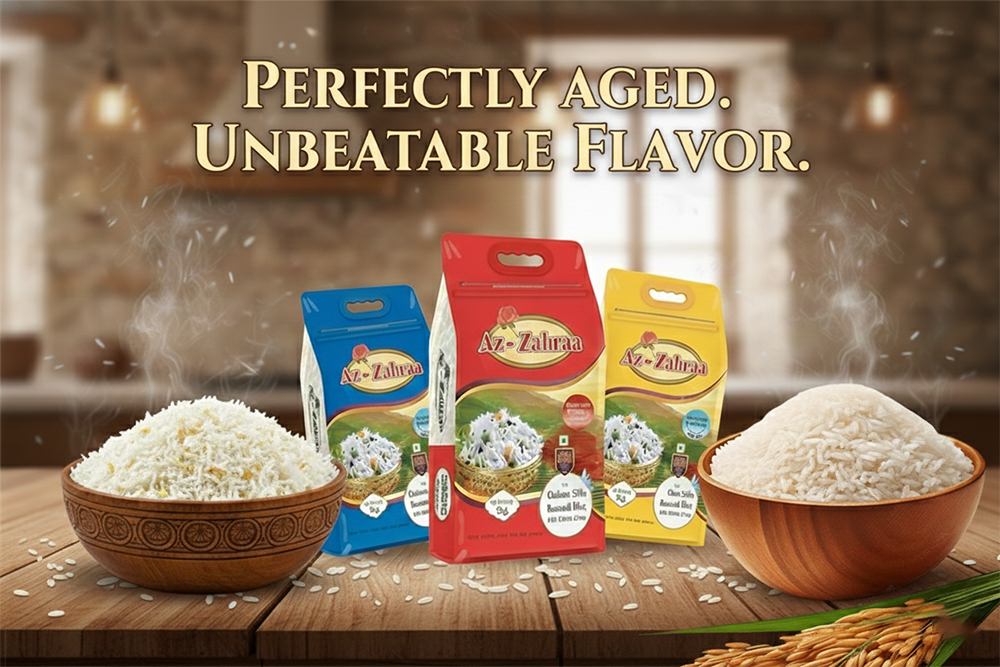
Basmati rice is often described as premium, yet specific physical and sensory traits define its true quality. Grain length, aroma, and texture are not marketing terms; they are essential characteristics of a high-quality product. They are measurable characteristics that determine how the rice performs from cooking to consumption. Understanding these factors helps buyers, distributors, and everyday users identify basmati rice that delivers consistent results.
Grain Length and Its Role in Cooking Performance
Grain length is one of the first indicators of basmati quality. True basmati varieties are naturally long and slender. This structure allows the grain to elongate during cooking rather than expand sideways. Longer grains offer better visual appeal, but the benefit goes beyond appearance. Uniform grain length ensures even cooking across the batch. When grains vary too much in size, smaller ones soften early, while longer ones remain undercooked. Quality basmati maintains tight grading standards to avoid this inconsistency. After cooking, premium basmati shows clear elongation while retaining shape. The grains remain intact, separate, and well-defined on the plate.
Aroma as a Natural Marker of Authenticity
The aroma of basmati rice is a natural trait developed through varietal genetics and proper ageing. It is not added to or enhanced artificially. This fragrance becomes noticeable when the rice is washed and intensifies during cooking. In high-quality basmati, the aroma is clean and warm, never sharp or overpowering. It complements food rather than competing with it. Overly strong or chemical-like scents often indicate poor storage or artificial treatment. Aroma also signals maturity. Well-aged basmati develops a deeper, more rounded fragrance compared to fresh rice, which may smell faint or grassy.
Texture and Mouthfeel After Cooking
Texture is where grain quality, ageing, and processing come together. Quality basmati rice cooks into grains that are tender yet structured. The surface remains smooth, and the interior cooks evenly without turning chalky or soft. Poor-quality rice often becomes sticky, mushy, or brittle after cooking. This happens when starch release is uncontrolled or when the grain structure is weak. In contrast, premium basmati maintains separation and lightness, making it suitable for both simple meals and elaborate dishes. Texture also affects digestion and overall eating comfort. Well-cooked basmati feels light and clean, even when consumed regularly.
The Balance Between Length, Aroma, and Texture
True basmati quality is not defined by a single feature. Long grain without aroma lacks character. Aroma without proper texture feels incomplete. Texture without grain integrity reduces cooking reliability. Quality basmati strikes a balance between all three. The grain elongates evenly, releases a natural fragrance, and delivers a consistent bite. This balance is achieved through careful varietal selection, proper ageing, precise milling, and disciplined storage practices.
Why These Factors Matter in Daily Use and Trade
For households, these traits ensure predictable cooking and enjoyable meals. For food businesses and exporters, they define brand consistency and customer trust. Buyers across different markets look for basmati rice that behaves the same way in every shipment.
Understanding grain length, aroma, and texture helps in making informed sourcing decisions rather than relying on surface claims.
Choosing Basmati Rice You Can Rely On
Quality basmati rice begins at the source and is preserved through every stage of handling. From procurement to ageing and final grading, attention to detail determines whether the rice delivers its promised performance.With decades of experience in basmati handling, Az-Zahraa delivers rice you can rely on. Contact us to explore export grades and supply options.